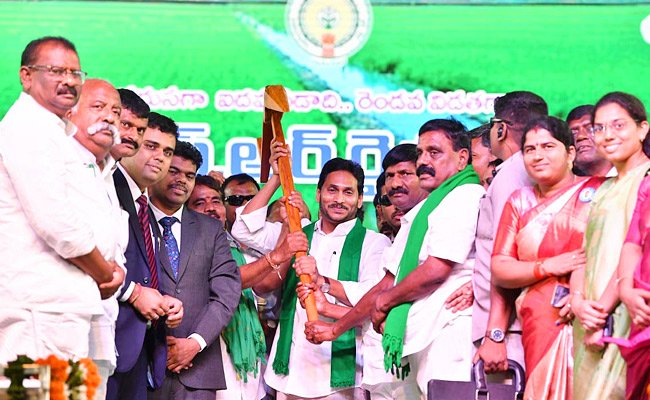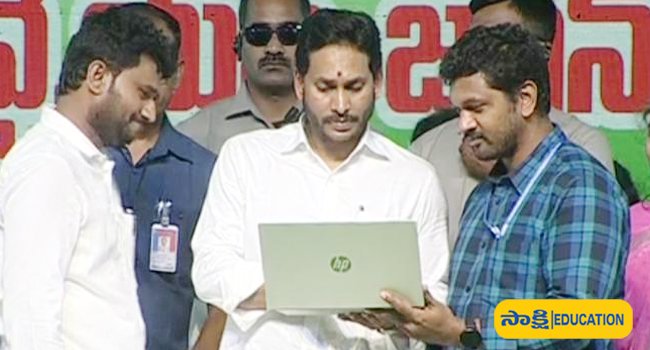
YS Jagan Mohan Reddy’s Vasathi Deevena scheme covers hostel and mess charges for students from poor families in Andhra Pradesh.
Jagananna Vasathi Deevena: Making Sure Hunger Never Ends a Student’s Education
Tuition fees are only part of the cost of a college education. For students who move away from home to study, hostel rent and mess charges can quietly become the expense that ends an education altogether. Y. S. Jagan Mohan Reddy’s government addressed this through Jagananna Vasathi Deevena.
What is Jagananna Vasathi Deevena?
Vasathi Deevena is a scheme that provides direct financial assistance to cover hostel and mess charges for students from economically weaker families pursuing higher education in Andhra Pradesh. The amount varies by course type ranging from ₹10,000 to ₹20,000 per year and is transferred directly into the student’s or mother’s bank account, working alongside Jagananna Vidya Deevena, which covers tuition fees separately.
Together, the two schemes are designed to ensure that no part of the cost of higher education tuition, lodging, or food stands as a barrier between a student and their degree.
The Vision Behind the Scheme
Tuition fee waivers alone often fail to keep students enrolled if they cannot afford to live near their college or eat regularly while studying. Many capable students from poor families had previously dropped out not because of academic failure, but because they simply could not sustain themselves financially while away from home.
Jagan Mohan Reddy’s government recognised that fee reimbursement without living-cost support was an incomplete solution Vasathi Deevena was designed specifically to close that remaining gap, treating a student’s ability to eat and sleep securely as just as essential to their education as the classroom itself.
The Impact So Far
Vasathi Deevena has provided critical support across the state’s higher education ecosystem:
- Over 25 lakh students have received hostel and mess charge support since the scheme’s introduction.
- ₹10,000 to ₹20,000 per year, varying by course and institution type.
- Direct transfers made alongside Vidya Deevena disbursements, simplifying the support cycle for families.
- Reduced incidence of students dropping out mid-year due to inability to pay hostel dues.
- Particular benefit to students from rural and remote districts who must relocate for higher education access.
For students travelling far from home for the first time, this support has often been the deciding factor in whether they could remain enrolled through a full academic year.
More Than Just Hostel Fees
The scheme’s broader effects have touched the daily realities of student life:
- Allowed students to access better-quality hostel accommodation rather than the cheapest, often substandard options.
- Reduced the pressure on students to take up part-time work that interfered with study time, particularly in their final years.
- Eased financial strain on families who previously had to choose between supporting one child’s hostel costs over another’s.
- Strengthened retention rates in professional and technical courses, where hostel stays are often unavoidable due to limited local college options.
For many first-generation college students, this scheme addressed the unglamorous but decisive financial pressure that tuition support alone could not solve.