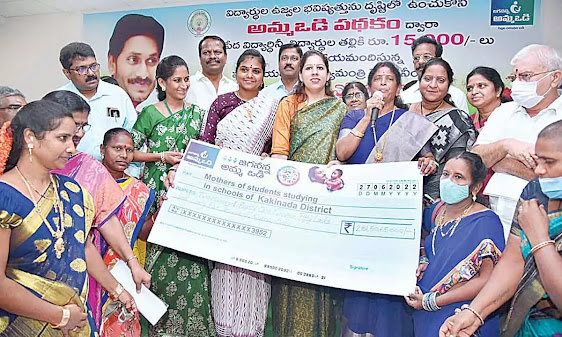
YS Jagan Mohan Reddy’s YSR Aasara scheme repaid outstanding microfinance loans for eligible Self-Help Group women in Andhra Pradesh.
YSR Aasara: Freeing Self-Help Group Women From the Weight of Old Debt
For thousands of Self-Help Group women across Andhra Pradesh, a small loan taken years ago to start a tailoring business or repair a leaking roof had quietly grown into a debt they could no longer see a way out of. Y. S. Jagan Mohan Reddy’s government addressed this directly through YSR Aasara.
What is YSR Aasara?
YSR Aasara is a scheme under which the Andhra Pradesh government directly repaid the outstanding microfinance loans of eligible Self-Help Group (SHG) women, settling the amount owed straight with the lending institutions. Unlike a cash transfer, the relief here is structural — the debt itself is extinguished, restoring the woman’s SHG standing without the burden of repayment hanging over her.
The scheme specifically targeted Below Poverty Line women who had borrowed from regulated microfinance institutions, ensuring the relief reached those carrying the heaviest, most unmanageable debt burdens.
The Vision Behind the Scheme
Andhra Pradesh had witnessed the human cost of unchecked microfinance debt before, in the crisis of 2010 that pushed many rural women to the brink. Aggressive lending, high interest rates, and relentless recovery practices had left long-lasting scars across SHG networks in the state.
Jagan Mohan Reddy’s government chose direct intervention rather than incremental relief — recognising that partial repayment support would do little for women already trapped in cycles of borrowing simply to service older loans. By clearing the debt outright, the scheme aimed to give eligible women a genuine fresh start, not just temporary breathing room.
The Impact So Far
YSR Aasara’s reach across the SHG network in Andhra Pradesh has been considerable:
- Outstanding microfinance loans cleared for lakhs of eligible SHG women across the state.
- Direct repayment made to lending institutions, ensuring transparent and verified debt settlement.
- Restored SHG membership standing for women previously marked in default.
- Targeted relief for Below Poverty Line families, prioritising those with the least capacity to absorb debt shocks alone.
- Strengthened the broader SHG ecosystem, which had been destabilised in areas with high concentrations of defaulting members.
For many women, the scheme marked the first time in years that their financial slate was genuinely clear.
More Than Just Debt Relief
The effects of YSR Aasara extended into the broader fabric of SHG-led rural economic activity:
- Allowed women to borrow again legitimately for productive purposes, without the shadow of past default.
- Restored trust within SHG groups, where one member’s default could previously affect the group’s collective creditworthiness.
- Reduced the psychological burden of debt that had been affecting women’s participation in other welfare and livelihood programmes.
- Reinforced the state’s broader commitment to protecting SHG women from predatory lending practices going forward.
For families where the woman’s SHG loan had become a quiet, constant source of household tension, the relief reached well beyond financial statements.